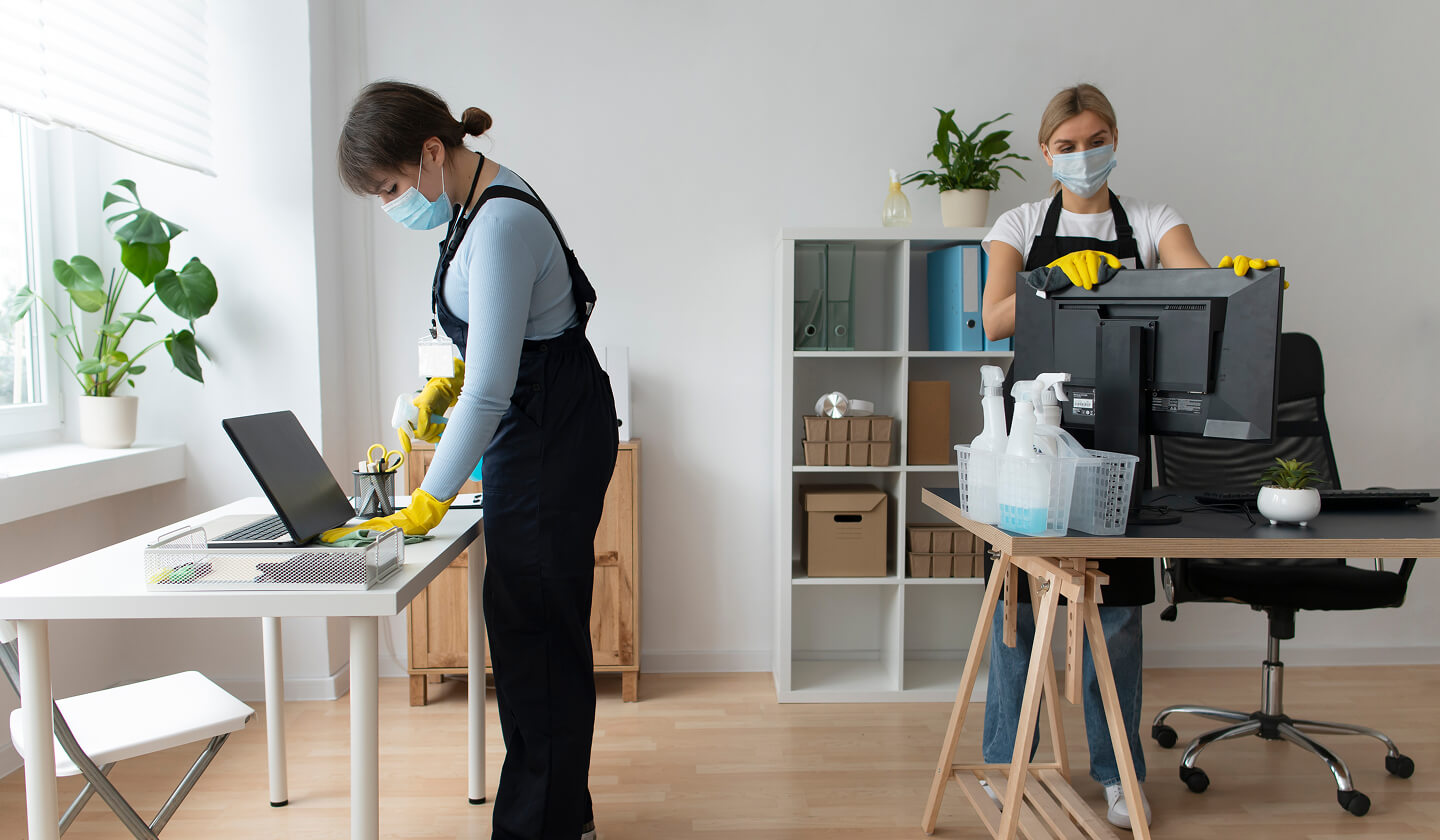
Englands Lane flat cleaning checklist for Belsize Park tenants
If you are moving out of a flat on Englands Lane, you already know the awkward part is rarely the packing. It is the cleaning. That last sweep through the kitchen, the bathroom grout, the dusty skirting boards, the little marks on the inside of cupboards - those are the details that can decide whether move-out day feels calm or completely fraught. This guide to the Englands Lane flat cleaning checklist for Belsize Park tenants is designed to make the job manageable, practical, and a bit less annoying than it sounds.
Whether you are trying to hand the flat back in good condition, preparing for an inspection, or simply want your home to look properly cared for before new tenants arrive, you will find a room-by-room checklist, common mistakes to avoid, and sensible UK-focused best practice. No fluff. Just the kind of cleaning plan you can actually use.
Table of Contents
- Why Englands Lane flat cleaning checklist for Belsize Park tenants Matters
- How Englands Lane flat cleaning checklist for Belsize Park tenants Works
- Key Benefits and Practical Advantages
- Who This Is For and When It Makes Sense
- Step-by-Step Guidance
- Expert Tips for Better Results
- Common Mistakes to Avoid
- Tools, Resources and Recommendations
- Law, Compliance, Standards, or Best Practice
- Options, Methods, or Comparison Table
- Case Study or Real-World Example
- Practical Checklist
- Conclusion
- Frequently Asked Questions
Why Englands Lane flat cleaning checklist for Belsize Park tenants Matters
Englands Lane flats tend to be lived in hard, especially if you have busy routines, a compact layout, or older fittings that show dust and limescale quickly. A clear checklist matters because move-out cleaning is not just about making things look neat for five minutes. It is about reducing friction at handover, showing the property has been cared for, and avoiding that frustrating last-minute scramble when you are already carrying boxes and keys.
In Belsize Park, tenants often deal with a mix of period conversions, modern apartments, and smaller flats where dirt collects in corners faster than you expect. A decent checklist helps you focus on the areas that matter most: kitchens, bathrooms, floors, appliances, windows, and those easily forgotten spots like light switches and extractor fans. Truth be told, those tiny details are usually what people remember.
For many tenants, the practical goal is simple: leave the flat in a clean, presentable condition that reflects ordinary end-of-tenancy expectations. That is different from a cosmetic tidy-up. A proper checklist gives you structure, saves time, and makes it easier to decide when you can handle the work yourself and when it is smarter to book help from a professional end of tenancy cleaning service or a general deep cleaning appointment.
Expert summary: The best move-out cleaning plans are not about perfection in every corner; they are about covering the right areas methodically so the flat feels fresh, hygienic, and ready for inspection.
How Englands Lane flat cleaning checklist for Belsize Park tenants Works
The easiest way to think about a flat cleaning checklist is to treat the property as a sequence of zones rather than one huge task. That simple change keeps you from bouncing around the flat, wasting time, and re-cleaning the same surface twice. Start by removing clutter, then move through room by room, top to bottom, dry to wet. That order makes a surprising difference.
For example, if you dust shelves after mopping, you will probably end up with debris on the floor again. If you clean the bathroom mirror before wiping the tiles, you may miss splashes that show up later. Small thing, but it matters.
A strong cleaning checklist normally works in four layers:
- Declutter and remove personal items so you can see what actually needs cleaning.
- Clean high surfaces first such as shelves, tops of cupboards, and lighting fixtures.
- Work through each room systematically with a consistent routine.
- Finish with inspection-level details like handles, skirting, plugs, and spots on glass or paintwork.
If you are already juggling packing, key returns, and utility checks, a service such as one-off cleaning can be a useful middle ground. It is especially handy when you do not want a regular domestic arrangement but still need a solid reset before moving day.
Key Benefits and Practical Advantages
A well-built cleaning checklist does more than keep you organised. It changes the whole feel of the move-out process. Instead of reacting to messes one by one, you are working through a plan. That lowers stress, saves time, and improves your odds of handing back the property looking genuinely cared for.
Here are the main benefits tenants tend to notice:
- Less stress at the end of the tenancy because you know what still needs doing.
- Better results in less time thanks to a clear order of work.
- Fewer missed spots such as limescale around taps or dust behind radiators.
- More confidence during checkout because the flat feels consistently clean, not just surface-level tidy.
- Better value if hiring cleaners since you can tell them exactly what needs attention.
There is also a financial angle, even if nobody likes talking about it. A cleaner flat usually means less back-and-forth, fewer disputes, and fewer panic purchases of sprays and cloths the day before handover. If you decide to compare professional support, it is sensible to check pricing and quotes before booking anything, so you can match the job to the budget.
And yes, a checklist can even help you see when the flat is already in decent shape. Sometimes the work is smaller than it feels once everything is packed away. Other times, well, the oven tells the truth.
Who This Is For and When It Makes Sense
This guide is for Belsize Park tenants who want a practical cleaning plan for a flat on or around Englands Lane. That includes people leaving a studio, a one-bed conversion, a shared flat, or a larger apartment where multiple people have contributed to the mess in their own special ways.
It makes sense if you are:
- approaching the final week of a tenancy
- preparing for a landlord or letting agent inspection
- moving out while working to a tight timeline
- trying to avoid last-minute cleaning panic
- handing the flat back after a long period of normal everyday use
- dealing with carpets, upholstery, or hard floors that need extra attention
It is also useful if you are not moving out but want a proper reset. Many tenants in the area book a deep clean between seasons or after a busy stretch of life. If that is your situation, a domestic cleaning visit or house cleaning session can make the place feel like yours again, not just somewhere you pass through.
To be fair, some flats only need a focused spruce-up. Others need the full works. The checklist helps you tell the difference without guessing.
Step-by-Step Guidance
Below is a room-by-room method you can actually follow. Keep your supplies nearby, open the windows if you can, and work through the flat in a calm order. Rushing tends to create missed spots, and missed spots tend to become arguments later. Nobody needs that.
1. Start with a reset
Before you clean anything, remove bins, loose items, food, toiletries, cables, and anything left in cupboards or under the bed. Check every drawer. Check the top shelf. Check the freezer. The one odd spoon always seems to hide somewhere impossible.
2. Clean the kitchen first
The kitchen usually takes the longest, and it usually decides the overall impression of the flat. Work from top to bottom:
- wipe cupboard fronts, handles, and splashback areas
- clean inside cupboards and drawers
- defrost and wipe the fridge if needed
- clean the hob, extractor hood, and surrounding surfaces
- remove grease from the oven, trays, and door glass
- empty and wipe bins
- clean sink, taps, and seals
- mop the floor last
Oven cleaning can be particularly time-consuming, especially if residue has built up over months. If the oven is beyond a quick wipe-down, consider using a specialist oven cleaning option. For lighter jobs, an oven cleaner service may be enough.
3. Tackle the bathroom properly
Bathrooms expose weak spots fast. Limescale, soap scum, and mould marks can make a room look older than it is. Focus on:
- toilet base, seat, flush button, and surrounding floor
- sink, taps, plughole, and mirror
- shower screen, tiles, and silicone edges
- bathtub, waste, and overflow
- extractor fan cover if accessible
- cabinet fronts and shelves
Use a descaler where appropriate, but always test sensitive materials first. A bad scrub on the wrong surface can leave dull patches that are harder to explain than the original mark.
4. Move through the living room and bedrooms
These rooms often look clean at first glance, but dust collects quietly. Check:
- skirting boards
- window ledges
- behind and under furniture
- wardrobe shelves and rails
- light switches, sockets, and door handles
- marks on walls where furniture has rubbed
If there are carpets, vacuum slowly and methodically, especially along edges and under bed frames. For visible stains or tired pile, a dedicated carpet cleaning visit can make a serious difference. Some tenants also use rug cleaning if loose rugs are part of the room layout.
5. Don't forget windows and glass
Window cleaning is one of those jobs that can completely change the feel of a flat. Natural light comes back. The rooms look bigger. Suddenly everything feels more finished. Wipe internal glass, frames, sills, and any accessible tracks. If the windows face a busy road, a bit of urban film can build up faster than you think.
If you want to keep it simple, a specialist window cleaning service is often worth it for hard-to-reach panes or flats with a lot of glazing.
6. Finish with floors, edges, and final touchpoints
Once the main rooms are done, do a final pass on floors, corners, and high-touch details. This is where the property starts to feel properly finished rather than just "clean-ish". Look at:
- floor edges and corners
- door frames
- radiators and pipes
- entry hall flooring
- inside the front door and around handles
If you have hard flooring, a tailored hard floor cleaning approach can help protect the finish while removing scuffs and residue.
Expert Tips for Better Results
Here is where the small gains add up. Most tenants do not fail a move-out clean because of one giant problem. They miss a collection of little ones. So the trick is to be systematic and a touch stubborn about details.
- Work in daylight if possible. It is astonishing how much more you notice in natural light at 10 a.m. than under a single ceiling bulb at night.
- Use microfiber cloths. They pick up dust better than old tees and leave fewer streaks.
- Let products sit briefly. A little dwell time often makes grease and soap scum easier to remove.
- Clean from top to bottom. This saves you from cleaning the same dust twice.
- Take before-and-after photos. Not glamorous, but genuinely helpful if there is any dispute.
- Don't ignore smells. A flat can look neat and still feel off because of bins, fridge shelves, drains, or damp towels left behind.
If your sofa, chairs, or soft furnishings have absorbed everyday use, a targeted upholstery cleaning visit can help the flat feel fresher overall. Likewise, if the place has fabric seating that has clearly seen a few winters, a sofa cleaning service can be a sensible finishing touch.
A small but useful habit: keep a "last 15 minutes" list. That list should include mirrors, taps, handles, switches, bins, and floor edges. Those are the final checks people notice first. Funny how that works.
Common Mistakes to Avoid
Move-out cleaning mistakes are usually predictable, which is the annoying part. The good news is they are also avoidable once you know where people slip up.
- Leaving cleaning too late. If you try to do everything after the van is packed, you will be tired, rushed, and far less thorough.
- Cleaning around clutter. If furniture, bags, or boxes are still in the way, dust and grime hide easily.
- Ignoring appliances. The oven, fridge, and extractor often take more work than expected.
- Forgetting hidden spots. Inside cupboards, behind bins, under radiators, and around handles matter.
- Using the wrong product. Some surfaces need gentler treatment than people assume.
- Skipping carpets and soft furnishings. These can hold on to odour and visible marks even after a basic vacuum.
Another common issue is underestimating how long the job will take. A one-bed flat can still require a full day if it has a deep kitchen clean, a bathroom refresh, and carpet work. That is not failure. It is just realistic planning.
If the task feels too large, there is no shame in bringing in professional help. In fact, that is often the sensible call. You can review the company's terms and conditions and check practical details like insurance and safety before booking, which is just good housekeeping, really.
Tools, Resources and Recommendations
You do not need a mountain of products. A focused kit is better than a crowded cupboard full of half-used sprays. Keep things simple and dependable.
Useful tools:
- microfiber cloths
- vacuum cleaner with crevice tool
- bucket and mop
- non-scratch scrub pad
- spray bottle
- glass cloth or lint-free towel
- rubber gloves
- small brush for grout, vents, and corners
Useful services to consider when the job is bigger than expected:
- carpet cleaning for visible marks, smells, or worn traffic lanes
- one-off cleaning for a complete refresh without commitment
- deep cleaning for a more intensive top-to-bottom clean
- oven cleaning for heavy grease and baked-on residue
- window cleaning when glass and frames need more than a quick wipe
If you are managing the move from a larger household and need to strip the flat back before leaving, a coordinated plan with house clearance support may also be useful, especially where unwanted items are getting in the way of a proper final clean.
For readers who want to understand the business side a bit better, the company's about us page can help you get a sense of the service approach, while recycling and sustainability gives useful context on waste-aware cleaning habits. Small details, but they build trust.
Law, Compliance, Standards, or Best Practice
For tenants, the main thing is usually not a legal maze but a practical standard: leave the flat in a clean and fit state for handover in line with the tenancy agreement and the condition it was in at move-in, allowing for normal wear and tear. Because tenancy agreements vary, it is sensible to read your own paperwork carefully rather than assume one universal rule applies.
From a best-practice point of view, it helps to think in terms of reasonable cleanliness, documented condition, and safe cleaning methods. That means:
- keeping receipts or booking records if you hire cleaners
- taking clear photos before you leave
- using products safely and ventilating rooms where needed
- avoiding damage to paintwork, stone, sealed timber, or specialist finishes
- following the property's own rules for disposal and access
If you book help, it is wise to understand the provider's safety and payment approach. Pages such as health and safety policy, payment and security, and privacy policy can be useful checkpoints before you commit. That is just sensible due diligence, especially when you are booking around a move.
One more practical note: if there are concerns after service, it is reassuring to know there is a complaints procedure available. Nobody wants to use it, obviously, but it is nice to know the route exists.
Options, Methods, or Comparison Table
There is more than one way to handle an Englands Lane flat clean. The right choice depends on how much time you have, how dirty the property is, and whether you want to do the work yourself or hand off the heavy lifting.
| Option | Best for | Pros | Possible downsides |
|---|---|---|---|
| DIY checklist clean | Smaller flats, lighter wear, plenty of time | Lower direct cost, full control, flexible timing | Time-consuming, easier to miss details, tiring during a move |
| One-off professional clean | Busy tenants, time pressure, mixed-condition flats | Fast, structured, less stress | Costs more than DIY, needs planning in advance |
| Targeted add-on services | Problem areas like ovens, carpets, windows, upholstery | Good value where specific items need extra care | May still leave you with some general cleaning to do |
In practice, many tenants choose a hybrid approach. They handle the clutter, basic wipe-downs, and personal items, then bring in specialist help for the stubborn jobs. That is often the least stressful route. Not glamorous, but effective.
Case Study or Real-World Example
A realistic example: imagine a tenant in a one-bedroom flat off Englands Lane with a fairly normal level of day-to-day use. The living room is tidy but dusty. The kitchen has grease around the hob and a few cupboard crumbs. The bathroom has limescale on the taps and a film on the shower screen. The bedroom carpet is not dirty exactly, but there is a traffic path near the bed and a faint stale smell from closed windows during winter.
They start with a checklist, remove everything personal, and spend the first hour just clearing surfaces. Then they focus on the kitchen and bathroom, which immediately makes the flat feel sharper. After that, they vacuum, wipe skirting boards, and spend the final stretch on glass, handles, and floor edges. The difference is obvious. Nothing magical happened. They just worked in the right order.
One thing they do not do? They do not deep-clean the oven last minute while also trying to carry laundry down stairs and answer calls from the removal van. That, as you can probably imagine, is a recipe for mild chaos.
Where carpets look tired, they book a specialist carpets cleaner approach rather than hoping a household vacuum will solve everything. It usually does not. Sometimes a proper service saves hours and makes the whole flat look more cared for in one go.
Practical Checklist
Use this as your final pass. If you prefer, print it or copy it into your notes app. It is much easier to tick things off than to keep them in your head while packing.
- Entry and hall: remove clutter, wipe door, frame, handles, and light switches
- Living room: dust surfaces, clean skirting boards, vacuum corners, check under furniture
- Bedrooms: empty wardrobes and drawers, dust shelves, vacuum carpets or mop floors
- Kitchen: clean cupboards, hob, extractor, sink, taps, fridge, oven, and floor
- Bathroom: clean toilet, sink, taps, mirror, tiles, shower screen, and limescale areas
- Windows: clean glass, sills, frames, and visible marks
- Floors: vacuum, mop, and check corners and edges
- Soft furnishings: inspect for marks, odours, and dust build-up
- Hidden areas: behind radiators, under beds, inside cupboards, behind bins
- Final sweep: bin bags removed, keys ready, photos taken, rooms aired out
If you notice a specific area is beyond a quick tidy, prioritise that item rather than trying to do everything halfway. A single properly cleaned room can make a bigger overall difference than five rooms done in a rushed way. Funny, but true.
Get a free quote today and see how much you can save.
Conclusion
An Englands Lane flat cleaning checklist for Belsize Park tenants is really about control. It helps you break a big, messy move-out job into manageable pieces and focus on the things that matter most: clean surfaces, fresh floors, tidy appliances, and the little details that make a flat feel properly handed over. That structure can save you time, reduce stress, and make the final day feel a lot less chaotic.
Whether you do the whole thing yourself or bring in professional support for the tricky parts, the aim is the same: leave the place with confidence. And that matters. A calm handover is worth a great deal when you are already in the middle of a move, with boxes stacked up and the kettle probably missing.
In the end, the best checklist is the one you will actually follow, room by room, without fuss. Keep it simple, keep it steady, and give yourself a fair chance to finish well.
Frequently Asked Questions
What should be included in an Englands Lane flat cleaning checklist for Belsize Park tenants?
It should cover every main room plus hidden areas: kitchen appliances, bathroom fittings, floors, windows, cupboards, skirting boards, and any soft furnishings that show visible wear. The best checklists are practical, not theatrical.
How far in advance should I start cleaning before moving out?
Ideally, begin with decluttering and low-effort tasks a few days before moving day, then save the deeper cleaning for after most items are packed. If you leave everything until the last evening, it gets messy very quickly.
Do I need professional end of tenancy cleaning for a flat on Englands Lane?
Not always. If the flat is in good condition and you have time, a thorough DIY clean may be enough. If the property has heavy use, carpets, ovens, or time pressure, professional help can be a smart decision.
Which rooms usually take the longest to clean?
The kitchen usually takes the longest, followed by the bathroom. Ovens, extractor fans, limescale, and cupboard interiors can absorb more time than people expect. The rest of the flat is often easier once those two are done.
What are the most commonly missed cleaning spots during a move-out?
People often miss inside cupboards, behind radiators, light switches, skirting boards, window ledges, extractor covers, and the edges of floors. Those little areas are easy to overlook when you are tired.
Is carpet cleaning worth it for a Belsize Park flat?
If the carpets have stains, traffic marks, or trapped odours, then yes, it can be very worthwhile. A proper carpet clean often improves the whole feel of the property, even when the rest of the flat is already tidy.
Can I just clean the visible areas and leave the rest?
You can try, but it is rarely the best approach. Inspection standards usually notice the details. Visible-only cleaning can leave dust, grease, or limescale where it matters most.
What is the difference between a deep clean and a one-off clean?
A deep clean is usually more intensive and focused on built-up dirt, hidden areas, and stubborn residue. A one-off clean is broader and can be useful for a full refresh or a move-out situation. In real life, the boundaries can overlap a bit.
Should I clean windows inside and out?
For most tenants, internal glass, frames, and sills are the main priority unless the tenancy agreement says otherwise or the external side is safely accessible. If the windows are awkward to reach, it is often better to get help than to risk damage or a fall. Not worth it.
How do I know if I have cleaned enough for handover?
Walk through the flat as if you were seeing it for the first time. If it looks fresh, smells neutral, and feels free from dust, sticky marks, and obvious grime, you are in a good place. Photos also help, especially if you want a clear record of the condition.
What if I do not have time to finish the checklist?
Prioritise the kitchen, bathroom, floors, and any visible marks first. Then clean the entry areas and main living spaces. If needed, delegate the most time-consuming tasks like oven, carpet, or window cleaning. Sometimes a targeted finish is the sensible compromise.
Where can I find more information about the company's approach to cleaning and support?
You can review the company's about us page, service details, and policy pages such as health and safety policy and terms and conditions to better understand how the service is structured. That is usually a sensible next step before booking anything.