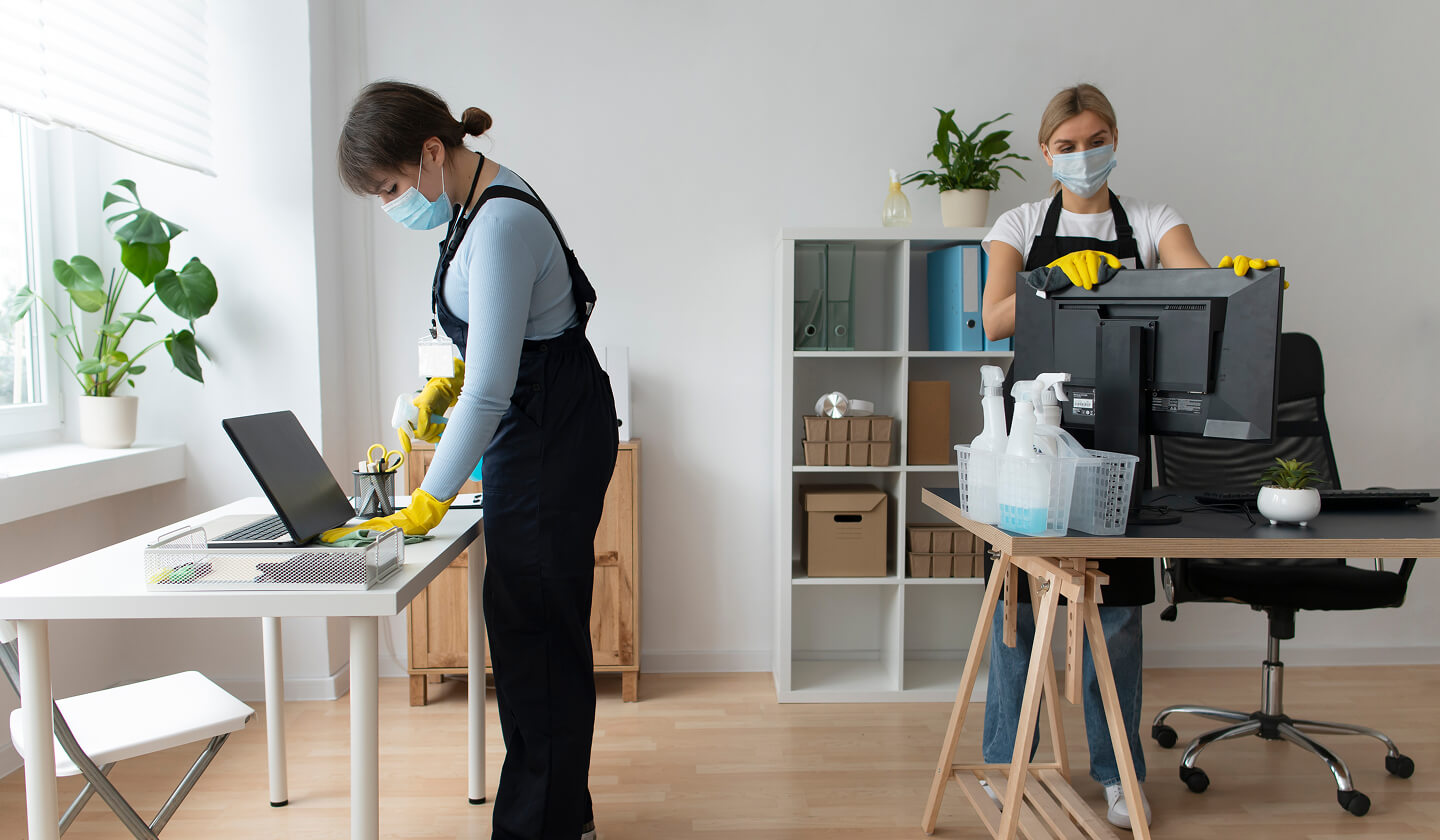
Belsize Park office cleaning services for Primrose Hill firms: a practical guide for cleaner, calmer workplaces
If you run a firm in Primrose Hill, you already know the strange little truth of office life: a tidy space can quietly change everything. People arrive sharper. Clients notice more. The kettle area stops becoming a minor disaster zone by 10:30am. And that is where Belsize Park office cleaning services for Primrose Hill firms come in. This guide explains what the service actually covers, why nearby businesses rely on it, how to assess quality, and what to expect before you sign anything.
Whether you manage a small studio, a professional practice, or a busy shared office, the goal is usually the same: a reliable clean that does not get in the way of work. Let's face it, nobody wants cleaning to become another admin headache.
Table of Contents
- Why Belsize Park office cleaning services for Primrose Hill firms Matters
- How Belsize Park office cleaning services for Primrose Hill firms Works
- Key Benefits and Practical Advantages
- Who This Is For and When It Makes Sense
- Step-by-Step Guidance
- Expert Tips for Better Results
- Common Mistakes to Avoid
- Tools, Resources and Recommendations
- Law, Compliance, Standards, or Best Practice
- Options, Methods, or Comparison Table
- Case Study or Real-World Example
- Practical Checklist
- Conclusion
- Frequently Asked Questions
Why Belsize Park office cleaning services for Primrose Hill firms Matters
For Primrose Hill firms, cleanliness is not just about appearance. It affects morale, first impressions, and the way your team uses the space day to day. A reception area with fingerprints on glass, a dusty meeting room table, or a kitchen sink that is starting to smell a bit "on the turn" all send signals. Not dramatic ones, maybe, but enough.
Nearby cleaning support matters because office routines in North West London can be busy and fragmented. Teams come and go. Client meetings happen at awkward times. Some firms work early, some late, and many do a bit of everything. A cleaning arrangement rooted in the local area tends to be more responsive to that rhythm. You want a provider that understands access, keys, alarm procedures, and the simple fact that offices are often still in use when the cleaning happens.
There is also the practical side. A good office cleaning plan can help reduce visible dust, keep shared touchpoints under control, and stop minor issues becoming regular complaints. And yes, your staff will notice when it is done properly. They may not say much at first, but they will.
If you want to understand the broader service approach behind this kind of support, the company's office cleaning and office cleaners pages are useful starting points for seeing how professional cleaning is structured.
How Belsize Park office cleaning services for Primrose Hill firms Works
In practice, office cleaning is usually built around the way your workplace operates. That means the cleaner does not simply arrive, mop a floor, and leave. The work is planned around your layout, your opening hours, your hygiene priorities, and any areas that need special handling.
A typical arrangement starts with a site discussion or quote request. From there, the cleaner identifies the tasks, the frequency, and any access rules. You may have desks, meeting rooms, a kitchen, washrooms, stairwells, or a reception space. Different areas need different attention. A kitchen needs sanitation and waste control. A client-facing room needs presentation. Carpets need periodic deeper care. Hard floors need the right products and technique, not just enthusiasm and a bucket, which, to be fair, is how trouble starts.
Office cleaning can include routine tasks such as:
- emptying bins and replacing liners
- wiping desks, tables, and high-touch surfaces
- sanitising kitchens and washrooms
- vacuuming carpets and runners
- mopping hard floors
- cleaning glass, doors, and visible marks
- spot-cleaning spills and shared use areas
Some firms need a fixed schedule. Others want one-off support before a client visit, a move, or a seasonal reset. If your workplace needs a more thorough once-over, deep cleaning is often the better fit than a standard weekly tidy.
The important thing is consistency. A good office cleaning service should feel calm, predictable, and quietly efficient. You should not need to chase every visit or re-explain the basics each week.
Key Benefits and Practical Advantages
The value of professional office cleaning is not just "it looks nicer". That is part of it, of course, but the real benefits are broader and more useful.
1. Better presentation for clients and visitors
Primrose Hill firms often work in service-led sectors where trust matters. If your office smells fresh, surfaces are clean, and floors are presentable, visitors tend to settle faster. The atmosphere feels organised before the meeting even starts. Small detail, big effect.
2. A more workable space for your team
People work better in spaces that are easy to use. Clean kitchens feel less neglected. Clear desks are easier to keep orderly. Meeting rooms stop carrying yesterday's clutter. That kind of environment helps with focus in a way that is hard to measure but easy to feel.
3. Less wear and tear
Regular cleaning can help protect carpets, upholstery, hard flooring, and internal finishes. Dirt left too long tends to settle in, and then the job becomes harder and more expensive. Periodic support such as carpet cleaning or hard floor cleaning can extend the life of the space.
4. Better hygiene in shared areas
Shared offices are high-traffic environments. Kitchens, washrooms, and entrance points collect residue quickly. Proper office cleaning helps manage the everyday mess that builds up from multiple users. Nothing glamorous there, but very real.
5. Easier operations
When the cleaning is scheduled properly, your team spends less time worrying about it. That means fewer internal reminders, fewer awkward conversations, and fewer last-minute "please can somebody wipe the table?" messages. Everybody wins.
Expert summary: The best office cleaning is not the flashiest service. It is the one that disappears into the background, keeps standards steady, and makes your workplace easier to run.
Who This Is For and When It Makes Sense
This service makes sense for a wide range of Primrose Hill firms, especially where image, privacy, or client experience matter.
- Professional practices such as consultancies, agencies, accountancy firms, and advisory offices
- Small businesses with compact premises and limited in-house support
- Shared offices where different people use kitchens, desks, and meeting rooms
- Client-facing teams that regularly host visitors
- Workplaces with hygiene-sensitive areas such as toilets, food prep spots, or communal spaces
It also makes sense when your internal team is stretched. If staff are cleaning in bits and pieces, the office often ends up looking half-done. One person tidies the kitchen, someone else empties a bin, and the rest gets left until Friday. That approach is common, but it rarely feels truly sorted.
A professional clean is especially useful when you are:
- welcoming new clients or partners
- preparing for an inspection or audit
- moving into a new office
- recovering from building work
- trying to improve staff comfort after complaints
For post-refurbishment conditions, after builders cleaning can be the sensible starting point, because fine dust has a way of creeping into corners you did not even know existed.
Step-by-Step Guidance
If you are comparing options, it helps to think through the process from the first enquiry to the ongoing service. The good news? It is simpler than it sounds.
- Map the space. Note how many rooms, desks, washrooms, and shared areas you have. Think about flooring too.
- Identify priorities. Reception? Kitchen? Washrooms? Meeting rooms? Not every office needs the same focus.
- Choose frequency. Daily, weekly, twice weekly, or a periodic deep clean. The right cadence depends on use, not guesswork.
- Clarify access. Decide who holds keys, when the cleaner can enter, and how alarms are handled.
- Confirm products and methods. This matters for flooring, surfaces, and any sensitive equipment areas.
- Set expectations in writing. A clear scope prevents drift. Small jobs can become big misunderstandings if nobody writes them down.
- Review after the first few visits. A quick check-in often sorts out the little things before they become habits.
A useful tip: do not build the whole arrangement around the cheapest number. Cheap can be fine. Cheap and unclear is where the headaches start.
If the office includes fabric seating or breakout areas, it is smart to consider upholstery cleaning occasionally, especially where people eat lunch, put bags down, or park themselves for half the day with a laptop and a coffee.
Expert Tips for Better Results
After years of seeing what works and what gets awkward, a few habits stand out.
Keep the scope realistic
Don't try to squeeze a full building reset into a routine visit. If the office needs a proper refresh, split the job into ongoing cleaning plus occasional deeper work. That gives better results and avoids rushed corners.
Think in zones
Offices work better when you divide them into zones: client-facing, staff-only, kitchen, washrooms, and storage. Each zone has a different tolerance for dust, clutter, and traffic. A good cleaner can work with that structure.
Protect the places people touch most
Door handles, switches, taps, counters, shared printers, and fridge doors are easy to overlook. They are also the spots people touch constantly. You will notice the difference when these are done well.
Do small maintenance before it becomes a cleaning issue
Loose clutter, broken bins, overfilled recycling, and half-dead plants all make cleaning harder. A five-minute tidy by the office team can improve the final result a lot. Not glamorous, but very effective.
Use specialist work where needed
Windows, rugs, floors, and stubborn marks often need dedicated treatment. For example, window cleaning can lift the whole look of an office, especially if you have street-facing rooms or ground-floor frontage. It is one of those jobs that quietly changes the mood of the place.
And one more thing: if you are ever unsure whether a task belongs in the regular clean or a specialist visit, ask. A decent provider will not pretend every task is the same.
Common Mistakes to Avoid
Most office cleaning problems are avoidable. They usually start small and then repeat until everyone is mildly annoyed.
- Choosing solely on price. The lowest quote can hide limited scope, rushed visits, or weak communication.
- Not defining priorities. If nobody says what matters most, the cleaner may focus on the wrong things.
- Skipping access details. Misplaced keys and unclear alarm instructions can wreck reliability.
- Ignoring specialist surfaces. Hard flooring, carpet, glass, and fabric need different approaches.
- Expecting miracles from one visit. A routine clean is not a deep restoration service.
- Not reviewing the service. If standards slip, it is better to raise it early than let frustration build.
Another common one: asking staff to "just keep an eye on it" and then acting surprised when the bins overflow on Thursday afternoon. Human nature, I suppose. But still.
Tools, Resources and Recommendations
You do not need a huge toolkit to get better office cleaning results, but a few practical items make a real difference.
- Clear site notes: A simple written brief for access, priorities, and sensitive areas.
- Colour-coded or labelled supplies: Useful for hygiene separation in kitchens and washrooms.
- Microfibre cloths and appropriate detergents: Better for surfaces than random old rags and guesswork.
- Floor-care plan: Carpets, vinyl, wood, and tile all benefit from different methods.
- Waste and recycling bins: Good bin placement reduces clutter immediately.
- Service log: A quick note of recurring issues helps the cleaner and the office manager stay aligned.
For businesses wanting a stronger reset, combining routine office cleaning with one-off cleaning can be a smart move after events, renovations, or a busy seasonal stretch. Sometimes a space just needs a proper catch-up.
If you are comparing providers, it also helps to look at the company background via about us and practical service details through pricing and quotes. Those pages can tell you a lot about how a provider thinks, even before you speak to them.
Law, Compliance, Standards, or Best Practice
For office cleaning, the main compliance concern is not a single dramatic rule. It is the steady, sensible application of good practice: safe working methods, suitable products, proper access control, and clear communication around risk.
In the UK, businesses typically need to think about health and safety responsibilities, safe chemical use, and whether contractors are appropriately insured. That is not something to gloss over. If someone is working on your premises, especially outside normal hours, you want to know they understand site safety, accident reporting, and sensible handling of equipment.
It is also wise to check how waste is handled, especially for recycling and general office rubbish. A well-run cleaning arrangement should support your internal sustainability goals rather than fight them. For a broader look at that approach, the site's recycling and sustainability page is relevant.
Before appointing anyone, make sure you are comfortable with their policies on safety, insurance, and security. The pages on health and safety policy and insurance and safety are especially useful for that due diligence stage. If you are handling company data, privacy and access matter too, so it is worth checking the practical side of privacy policy and terms and conditions.
That might sound formal, but really it is just common sense with paperwork attached. Necessary paperwork, admittedly.
Options, Methods, or Comparison Table
Different offices need different cleaning models. A comparison can make the choice much easier.
| Cleaning approach | Best for | Strengths | Watch-outs |
|---|---|---|---|
| Regular scheduled cleaning | Active offices with daily or weekly use | Consistent standards, predictable cost, low friction | Needs a clear scope to avoid drift |
| One-off deep clean | Seasonal resets, events, move-ins, post-refurbishment | Thorough, visible improvement, good for problem areas | Not a substitute for ongoing upkeep |
| Specialist floor or fabric care | Carpets, rugs, hard floors, sofas, upholstery | Protects finishes, improves appearance, deals with embedded dirt | Usually best as a separate task |
| Hybrid plan | Firms wanting both routine and periodic extra care | Balanced, flexible, usually the most practical | Needs scheduling discipline |
For many Primrose Hill firms, the hybrid model is the most realistic. Routine work keeps the day-to-day under control, while occasional specialist tasks handle the deeper stuff. That balance tends to age well.
Case Study or Real-World Example
A small professional firm near Primrose Hill was dealing with a familiar problem. The office looked fine at first glance, but by midweek the kitchen was messy, the meeting room had fingerprints on the glass, and the carpets in the entrance area were beginning to look tired. Staff were trying to cover the gap themselves. It was not working brilliantly.
The fix was straightforward. The firm moved to a regular cleaning schedule with clearer priorities: reception first, washrooms second, kitchen third, and carpets monitored for periodic deeper treatment. A few other things changed too. The office manager created a short access note, the team agreed who would clear desks before cleaning nights, and the provider was asked to flag any recurring issues rather than quietly work around them.
Within a few weeks, the office felt more settled. Not dramatic, not some miracle transformation. Just calmer. The kind of clean that makes people stop noticing the mess, which is exactly the point.
They later added specialist support for floor care and found that the whole place kept a better finish between visits. A small change, really, but one that made everyday work less irritating. And truth be told, that is often what people are buying: less irritation.
Practical Checklist
Use this checklist before you commit to an office cleaning arrangement.
- Have you listed every area that needs cleaning?
- Have you separated routine tasks from occasional deep-clean needs?
- Do you know when the cleaner can access the building?
- Have you decided who holds keys or security codes?
- Are carpets, hard floors, glass, or upholstery included where relevant?
- Have you checked insurance, safety, and working practices?
- Do you understand what is included in the quote?
- Have you asked how issues are reported and resolved?
- Is the schedule realistic for your office use?
- Have you reviewed sustainability or waste-handling expectations?
Quick take: If the scope, access, and priorities are clear, everything else becomes much easier. That is usually the difference between a smooth service and a mildly chaotic one.
If you are ready to compare options, the most useful next step is to look at the cleaning company, check the cleaners service overview, and then decide whether your office needs regular upkeep, a one-off reset, or both.
Get a free quote today and see how much you can save.
Conclusion
Belsize Park office cleaning services for Primrose Hill firms are at their best when they solve real workplace problems without creating new ones. That means clear scope, reliable attendance, sensible hygiene standards, and a cleaning routine that fits the way your office actually operates.
If you take the time to define what matters most, ask the right questions, and choose a provider with proper practical experience, the payoff is steady and real. Cleaner rooms. Less friction. Better first impressions. Fewer little annoyances piling up in the background.
And that, in the end, is what good office cleaning should do: make your working day feel lighter, even if only by a notch.
Frequently Asked Questions
What do Belsize Park office cleaning services for Primrose Hill firms usually include?
They usually cover routine tasks such as vacuuming, mopping, dusting, emptying bins, cleaning kitchens and washrooms, and wiping high-touch surfaces. The exact scope depends on your office layout and schedule.
How often should a Primrose Hill office be cleaned?
That depends on footfall, client visits, and the type of work you do. Busy offices often need daily or several-times-a-week cleaning, while smaller teams may be fine with weekly visits plus occasional deeper work.
Is office cleaning different from domestic cleaning?
Yes. Office cleaning focuses on shared workspaces, client-facing areas, equipment surroundings, and hygiene in communal spaces. Domestic cleaning is more household-oriented and often involves different priorities and routines.
Can office cleaning be done outside business hours?
Yes, and that is often the easiest arrangement. Early morning, evening, or weekend visits can reduce disruption, especially if your team is in and out during the day.
Do I need a one-off deep clean before starting regular cleaning?
Not always, but it helps if the office is already overdue a refresh. A deep clean gives the regular service a better starting point and can make the ongoing schedule more effective.
What should I ask before hiring office cleaners?
Ask what is included, how often they will attend, what products are used, how access is managed, and whether they have suitable insurance and safety procedures. Clear questions now save awkwardness later.
How do I know if the cleaning quality is good enough?
You should see consistent results in the same key areas: washrooms, kitchens, bins, floors, desks, and reception spaces. If the same issues keep returning, the scope or method probably needs adjusting.
Can office cleaning help with carpets and floors too?
Yes, but those surfaces may need specialist care. Routine vacuuming and mopping help daily, while periodic support such as carpet cleaning or hard floor cleaning is better for longer-term maintenance.
What happens if my office has sensitive equipment or private areas?
Tell the provider in advance. Good cleaners will adapt their work, avoid restricted zones, and follow your access rules carefully. Confidentiality and site boundaries matter in professional settings.
Are eco-friendly cleaning methods worth asking about?
Usually, yes. Many businesses prefer lower-impact products and better recycling practices. If sustainability matters to your firm, ask how waste and product choices are handled.
How do I keep standards consistent after the first few visits?
Use a short service checklist, review the first couple of cleans, and give feedback early. Small corrections at the start prevent frustration later on.
Where can I find more information about the provider before I book?
Useful starting points include the company's about page, pricing and quotes details, and the policy pages covering safety, insurance, terms, and privacy. Those pages tell you a lot about how the service is run.